Your Next Chapter Starts Here

The Rise of Project-Based Hiring
Building Agile Teams for a Dynamic World
11/4/20252 min read
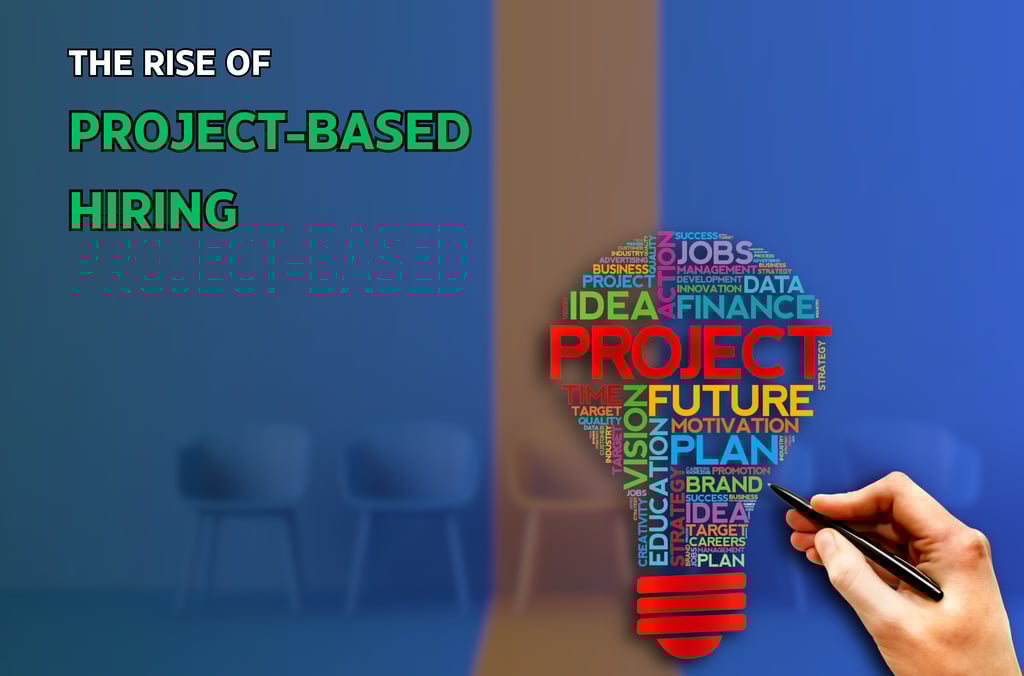
The traditional concept of long-term employment is quietly evolving. In today’s fast-paced and unpredictable business landscape, companies are discovering the benefits of assembling specialised, project-based teams — professionals brought together not for permanence, but for purpose.
What Is Project-Based Hiring?
Project-Based Hiring is the practice of recruiting talent specifically for defined projects or deliverables, rather than for ongoing roles. It allows organisations to access niche skills on demand — from data analysts and designers to digital strategists and consultants — without the commitment of full-time employment.
This model is especially appealing in industries where agility and speed matter most. Whether it’s launching a new product, entering a new market, or undergoing digital transformation, businesses can now curate expert teams that hit the ground running — and disband when the mission is complete.
Why It Matters
Modern recruitment isn’t just about filling vacancies; it’s about enabling progress. Project-Based Hiring empowers companies to:
Scale up or down effortlessly based on workload.
Access specialised expertise unavailable internally.
Accelerate timelines without lengthy onboarding cycles.
Manage costs efficiently while maintaining quality.
In an era where adaptability defines success, this approach provides the flexibility organisations crave.
The Changing Workforce Mindset
It’s not just employers driving this shift. Today’s professionals — especially those in the knowledge economy — increasingly prefer autonomy and variety over permanence. They value meaningful work and exposure to diverse challenges rather than a static career trajectory.
Project-Based Hiring meets that mindset halfway. It offers skilled professionals the chance to contribute impactfully, explore industries, and continuously upgrade their expertise — all while maintaining independence.
Recruiters as Strategic Connectors
For recruiters, this shift brings exciting possibilities. Rather than focusing solely on traditional placements, agencies can position themselves as strategic connectors — curating pools of project-ready talent and matching them to time-sensitive organisational needs.
The emphasis moves from filling jobs to facilitating outcomes — building temporary, high-performance teams that deliver measurable results.
The Future Is Flexible
The rise of project-based work signals a broader evolution in the world of employment. It’s no longer about static hierarchies or fixed roles; it’s about building ecosystems of expertise that come together to solve problems — and then evolve for the next challenge.
As businesses continue to navigate change, one thing becomes clear: agility is not just an operational advantage — it’s a recruitment strategy.
AMR Global
Global leaders trust our search and selection expertise.
Reach out to us on
+44 7709 869 000
AMR Global © 2025. All rights reserved.