Your Next Chapter Starts Here

Building a Future-Ready Workforce
10/17/20252 min read
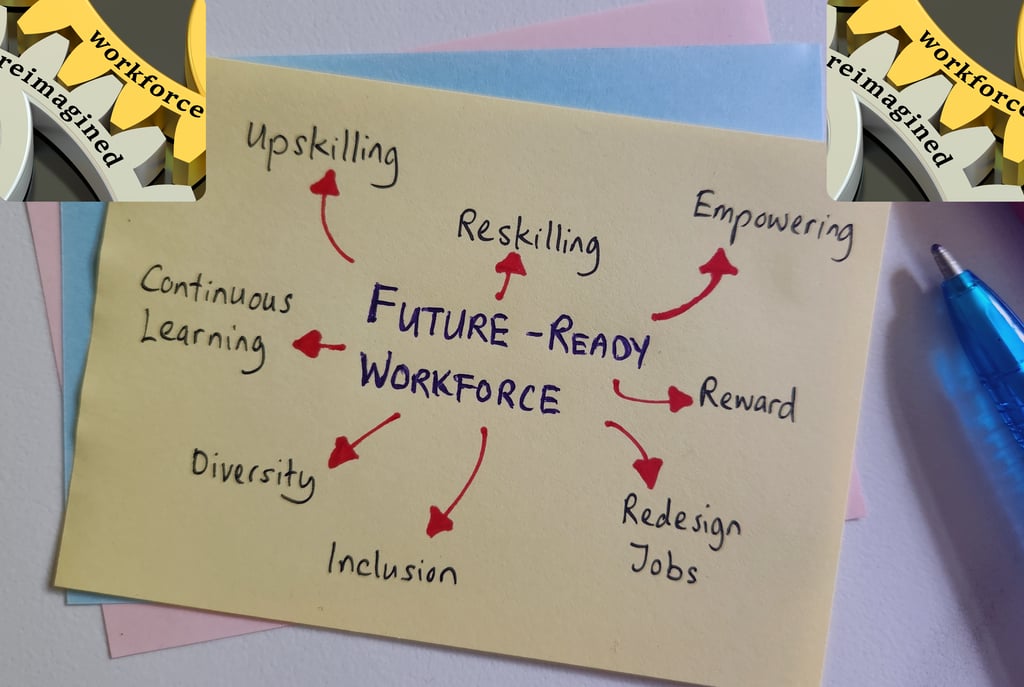
In today’s ever-evolving world of work, adaptability has become the hallmark of success. Businesses are no longer just looking for employees who meet today’s demands but for those who can anticipate and adapt to tomorrow’s challenges. Building a future-ready workforce is no longer an option — it’s a necessity.
Understanding What “Future-Ready” Means
A future-ready workforce goes beyond having the right technical expertise. It embodies agility, curiosity, and resilience. These employees embrace new technologies, respond well to change, and continually upskill to stay ahead in a shifting business landscape.
To achieve this, organisations must focus on cultivating mindsets, not just skill sets. This includes encouraging creativity, problem-solving, and continuous learning as core parts of the company culture.
Key Pillars of a Future-Ready Workforce
1. Continuous Learning and Development
Learning must evolve from being a one-time activity to an ongoing process. Providing opportunities for employees to reskill and upskill keeps them aligned with technological advancements and market trends.
2. Embracing Technology
From AI to automation, technology is transforming every industry. Future-ready teams are comfortable leveraging digital tools to enhance productivity, communication, and innovation — rather than viewing them as threats.
3. Encouraging Agility and Flexibility
Rigid structures can hinder growth. Organisations that empower employees to think flexibly and adapt to changing priorities are better prepared to thrive in uncertain conditions.
4. Fostering Collaboration and Inclusion
Future readiness is also about people working together effectively. A diverse and inclusive workforce brings fresh perspectives, strengthens innovation, and reflects the varied world businesses serve.
5. Leadership with Vision
Leaders play a critical role in shaping a future-ready culture. By modelling adaptability, transparency, and empathy, they inspire teams to embrace change rather than resist it.
The Employer’s Role
Creating a future-ready workforce requires intentional action. Employers should:
Invest in training and digital literacy.
Encourage experimentation and reward innovation.
Offer flexible working models to attract and retain modern talent.
Prioritise employee wellbeing, as resilience begins with balance.
By aligning people strategies with long-term business goals, organisations can ensure their teams are prepared for whatever the future brings.
The Employee Perspective
For employees, being future-ready means taking ownership of personal growth. Proactively learning new skills, staying curious, and being open to new experiences help individuals remain competitive and fulfilled in their careers.
Conclusion
The future of work is uncertain — but being prepared for it isn’t. A future-ready workforce is one that adapts, learns, and evolves. It’s built on trust, continuous improvement, and the courage to change.
In an age where transformation is the only constant, businesses that invest in building adaptable, forward-thinking teams will not just survive — they will lead.
AMR Global
Global leaders trust our search and selection expertise.
Reach out to us on
+44 7709 869 000
AMR Global © 2025. All rights reserved.